How a General Dentist in Santa Clarita CA Detects Dental Issues Early


Most dental problems do not begin with pain. They begin quietly, often in places a patient cannot see and sometimes in ways they cannot feel. A tiny area of enamel softening along the gumline, a hairline crack on a molar that only shows when light hits it at a certain angle, gum tissue that has started to pull away by a millimeter or two, a bite pattern that suggests night grinding before a tooth ever fractures, these are the small clues that matter. Catch them early, and treatment is usually simpler, less invasive, and less expensive. Miss them, and a routine visit can turn into a root canal, an extraction, or months of periodontal care.
That is where the value of a skilled general dentist becomes obvious. A good exam is not a quick glance and a polite reminder to floss. It is pattern recognition built over years of clinical work. It is also discipline, because early diagnosis depends on consistency. The same areas are checked every time, subtle changes are compared from one visit to the next, and patient history is taken seriously. For families looking for a General dentist Santa Clarita CA residents can rely on, this ability to identify trouble before it escalates is one of the most important qualities to look for.
The appointment starts before anyone reclines the chair
Patients often think the exam begins when the mirror comes out. In reality, it starts much earlier. An experienced dentist notices how a patient describes symptoms, whether they mention sensitivity to cold, whether they hesitate when chewing on one side, whether they report headaches or jaw tightness in the morning. Even changes in medical history can shift the dentist’s attention. A new medication that causes dry mouth, for example, can dramatically increase cavity risk, especially around existing fillings and near the gumline.
The way a patient presents physically matters too. Worn edges on front teeth may suggest clenching. Cracked lips and sticky oral tissues can point to reduced saliva flow. Facial swelling, even mild swelling near the jawline, can hint at a problem that is still brewing below the surface. None of these observations alone makes a diagnosis, but together they form a useful clinical picture.
This is one reason rushed hygiene and exam appointments tend to miss things. Early detection requires enough time to listen, compare, and inspect carefully. It is less glamorous than advanced procedures, but it is some of the highest value work done in a general dental office.
Why small findings matter so much
Dentistry is full of turning points. A lesion that remains in enamel may be managed conservatively or restored with a small filling. Once decay reaches dentin, it often moves faster. Once bacteria reach the pulp, the tooth may need endodontic treatment. The same logic applies to gum disease. Mild inflammation can often be reversed with improved home care and professional cleaning. Bone loss around teeth is harder to win back.
Patients are sometimes surprised when a dentist recommends treatment for something that is not hurting. From the dentist’s perspective, that recommendation often comes from seeing where the issue is headed. A weak margin around an old filling may look stable to a patient because there is no pain. To a dentist, it may already show staining, microleakage, or softening that means bacteria have found a path underneath. Waiting for pain is rarely a good strategy. By the time pain arrives, the problem has usually become more complex.
A practical example is a lower molar with a failing silver filling. These teeth can look acceptable in a quick glance, especially if the surrounding tooth structure has not yet broken away. But under magnification and proper lighting, a dentist may see marginal breakdown and craze lines extending from the restoration. Treated early, that tooth may need a new filling or onlay. Left alone, it may split a cusp and require a crown, or worse, become nonrestorable.
The visual exam is more sophisticated than it looks
The mouth is a small space with a lot happening at once. A careful visual exam involves more than checking for obvious cavities. The dentist evaluates the color, texture, and contour of the teeth, gums, cheeks, tongue, palate, and floor of the mouth. They check whether the gums fit snugly around the teeth or appear puffy and inflamed. They look for plaque accumulation in predictable trouble spots, especially behind lower front teeth and around upper molars. They study old restorations, because many recurring problems start there.
Lighting and dryness make a major difference. Early enamel lesions can be difficult to spot on wet teeth. Once the surface is dried, chalky white areas may become visible, revealing demineralization before a true cavity forms. This is one of the quiet advantages of seeing a detail-oriented general dentist. Good technique matters. A rushed or poorly lit exam can overlook changes that become obvious under proper isolation and inspection.
The soft tissue screening also deserves attention. Dentists are trained to look for ulcers that do not heal, red or white patches, tissue thickening, and other abnormalities that may need monitoring or referral. Many patients assume an oral cancer screening is a separate service. In a well-run practice, it is woven into regular care. Early tissue changes often cause no pain, so routine observation becomes the safety net.
X-rays fill in the blind spots
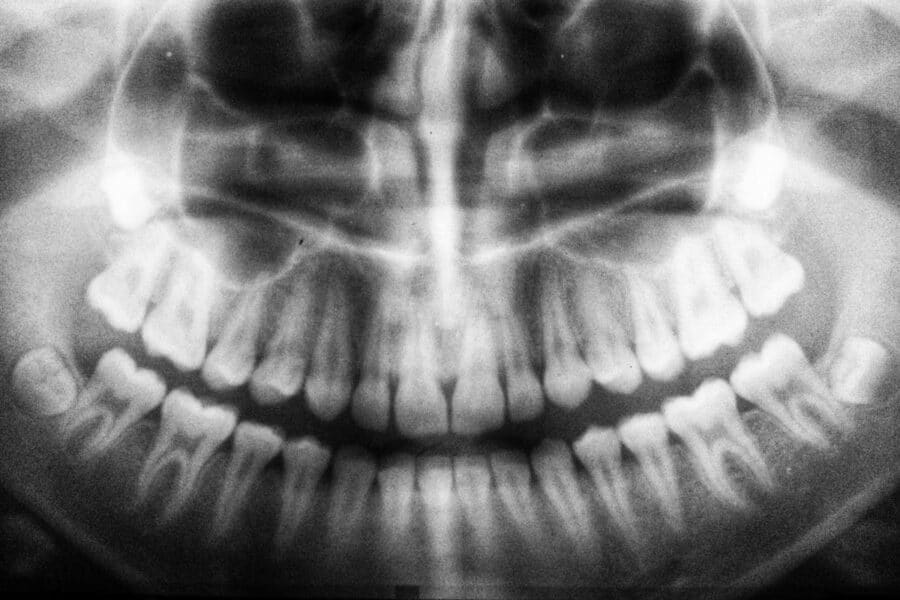
Even the best eyes cannot see through enamel, bone, or existing restorations. That is why radiographs remain essential for early detection. Bitewing X-rays are especially useful for spotting decay between teeth, where cavities often begin beyond direct line of sight. They also help evaluate the bone levels around teeth, giving the dentist an early read on periodontal changes.
Patients occasionally worry that if they feel fine, X-rays are unnecessary. Clinically, that is not how disease behaves. Interproximal cavities, recurrent decay under fillings, early abscesses, and bone loss can progress quietly. By the time symptoms appear, the damage may already be significant. The goal of imaging is not to confirm obvious disease. It is to catch hidden disease before it becomes obvious.
Frequency depends on risk. A patient with low decay risk, healthy gums, and a stable history may need bitewings less often than a patient with frequent cavities, dry mouth, extensive dental work, or active periodontal issues. Judgment matters here. Good dentists do not order imaging on autopilot, but they also do not skip it simply because a patient has no current complaint.
Radiographs are also helpful for tracking trends over time. One image offers a snapshot. A series taken across several years shows whether a suspicious area is stable, progressing slowly, or changing faster than expected. That longitudinal view is where experience becomes especially valuable.
Gum measurements often reveal disease before patients notice it
One of the least appreciated parts of a dental exam is periodontal charting. The process can feel tedious to patients, but the information is important. By measuring the depth of the pockets around each tooth and checking for bleeding, gum recession, and mobility, a general dentist can identify the earliest stages of periodontal disease.
Many people think gum disease means obvious swelling, pain, or loose teeth. In its early phases, it often looks far less dramatic. A patient may notice occasional bleeding when brushing and assume they were brushing too hard. Meanwhile, the tissue may already be https://raymondjwmu276.huicopper.com/how-a-general-dentist-in-santa-clarita-ca-helps-with-dental-confidence chronically inflamed. If pocket depths start increasing and bleeding becomes consistent, the dentist has objective data that conditions are changing.
This matters because periodontal disease is cumulative. Once supporting bone is lost, treatment focuses on controlling the disease and preserving what remains. It is much better to intervene when the first signs of gingival inflammation appear. Professional cleanings, home care adjustments, and in some cases more frequent maintenance visits can stabilize things before they progress.
A pattern I have seen often in clinical settings is the patient who says, “My gums don’t hurt, so I thought they were fine.” Gum disease rarely reads the patient’s assumptions. It can stay quiet for a long time, especially in smokers or former smokers, whose tissues may bleed less even when disease is active. That is another reason regular measurements and comparisons matter.
Bite patterns tell their own story
Teeth are not static structures. They record habit and pressure. A dentist reading a patient’s bite can often tell whether they grind, clench, chew ice, bite pens, or favor one side of the mouth. Flattened cusps, shiny wear facets, chipped enamel edges, notches near the gumline, and muscle tenderness around the jaw are all clues.
Why does that matter for early detection? Because mechanical stress changes treatment planning. A tooth with a small crack in a heavy grinder is a very different situation from the same crack in a patient with a light bite. An old filling that might otherwise hold up for years can fail quickly if the patient clenches at night. Spotting those forces early may lead to a night guard recommendation, bite adjustment in select cases, or restoration choices better suited to the patient’s functional load.
Jaw joints and chewing muscles deserve the same attention. Clicking, limited opening, and morning soreness do not always require major treatment, but they do suggest that the dentist should monitor wear and evaluate function more closely. Patients often normalize these symptoms because they have lived with them for years. A dentist who asks the right questions can connect those symptoms to developing dental damage.
Existing dental work is one of the first places trouble returns
Old fillings, crowns, bridges, and bonded repairs are common sites for recurrent problems. Dental materials last a long time, but not forever. Margins can open slightly, cement can wash out, and tooth structure around restorations can weaken. Many patients think that if a crown is on a tooth, that tooth is protected permanently. It is protected to a degree, but it is still vulnerable at the edges and underneath.
A careful general dentist in Santa Clarita CA will spend time examining the integrity of existing restorations, not just the untreated teeth. The signs can be subtle. A crown may feel fine to the patient but show inflammation around one margin, suggesting an area that traps plaque. A bonded filling on a front tooth may have a tiny staining line that indicates breakdown. A large molar filling may begin to shadow from underneath, signaling recurrent decay.
These are the moments where conservative care can save a lot of structure. Replacing a failing filling before the surrounding tooth cracks is a very different experience from rebuilding a fractured tooth under urgent circumstances. This is one of the practical reasons regular recall visits pay for themselves over time.
Saliva, diet, and daily habits change the risk picture
Not every mouth develops disease for the same reasons. Some patients have excellent brushing habits and still get cavities because their saliva flow is poor. Others go years with minimal decay but develop gum problems because plaque control around crowded lower incisors is inconsistent. A strong diagnostic approach includes looking at the environment that allows disease to start.
Saliva is a major factor. It buffers acids, helps remineralize enamel, and limits bacterial overgrowth. When it drops, cavity risk rises. This can happen because of medication use, autoimmune conditions, aging, mouth breathing, dehydration, or cancer treatment. Early signs may include sticky tissues, stringy saliva, frequent thirst, or a sudden increase in cavities near the gumline. Recognizing this pattern early changes the preventive plan.
Diet matters too, but not always in the way patients expect. It is usually not the occasional dessert that causes the most trouble. Frequent exposure is more damaging, especially sipping sweetened coffee through the morning, snacking on dried fruit, or drinking sports drinks after workouts. Acidic habits can erode enamel even when sugar intake is modest. A dentist looking for early wear on the biting surfaces or cupping on the molars may start asking more detailed questions about beverages and snacking frequency.
When patients understand that risk is personal rather than generic, they are more likely to follow through. “Brush and floss better” is too vague to drive change. “Your lower left gum pockets are deepening because plaque is collecting around this rotated tooth,” or “You are getting root surface cavities because this medication is drying your mouth,” gives the patient a reason and a path forward.
Technology helps, but judgment still leads
Modern general dentistry has better tools than it did years ago. Digital radiographs, intraoral cameras, magnification, and caries detection aids can all improve early diagnosis. Intraoral photos are especially useful because they let patients see what the dentist sees. When a patient can look at a magnified image of a cracked cusp or inflamed gum margin, the conversation changes. The condition becomes real.
Still, no tool replaces clinical judgment. Devices can flag suspicious areas, but they do not understand the full context. A stain in a groove may not be active decay. A radiographic shadow may need monitoring rather than immediate drilling. A mild recession defect might remain stable for years if the brushing technique changes. Knowing when to watch, when to intervene, and how aggressively to treat is where experience shows.
This balance matters because overtreatment is just as undesirable as missed disease. Early detection is not about finding reasons to do more dentistry. It is about preserving tooth structure and oral health through timely, appropriate care. Sometimes that means placing a small filling. Sometimes it means fluoride, observation, and a recheck.
What patients can notice between visits
A dentist may catch many issues during routine care, but patients often provide the first clue that something has changed. Certain symptoms are worth mentioning even if they seem minor.
- Sensitivity to cold or sweets that lasts more than a few seconds
- Bleeding gums that happens regularly during brushing or flossing
- Food trapping between the same teeth over and over
- A rough edge, small chip, or change in the way teeth fit together
- Persistent dry mouth or a sudden increase in cavities
None of these automatically signals a serious problem, but each deserves a closer look. The best outcomes often come from patients who report changes early instead of waiting to see if they go away.
Children, teens, and adults show different warning signs
Early detection is not one-size-fits-all. Age changes both the problems dentists look for and the way those problems present. In children, the focus often includes eruption patterns, bite development, hygiene around newly erupted molars, and signs of early decay in grooves and between teeth. Kids do not always report symptoms clearly, so visual and radiographic findings carry extra weight.
Teenagers bring a different set of risks. Orthodontic appliances can make plaque retention worse. Sports injuries become more relevant. Dietary habits often shift toward frequent snacks, energy drinks, and sweetened coffee beverages. It is also the age when some grinding patterns start to become obvious, especially during stressful school periods.
Adults may present with failing older dental work, gum recession, clenching-related wear, and the effects of medications or chronic health conditions. In middle age and beyond, dentists pay even closer attention to root exposure, dry mouth, and changes in bone support. The principle is the same across all ages, but the clues and priorities evolve.
When “watching it” is the right call
Patients sometimes assume a good dentist either treats every questionable area immediately or ignores it. In reality, some of the best clinical decisions fall in the middle. Monitoring is appropriate when a finding is visible but not clearly active, when intervention would remove healthy tooth structure without enough benefit, or when behavior changes may stabilize the condition.
This happens often with early enamel demineralization, small noncavitated lesions, minor cracks without symptoms, and certain areas of recession or wear. A dentist may photograph the area, note it carefully, and compare it at the next visit. If it remains stable, no drilling is needed. If it changes, treatment can still occur before the problem becomes large.
That restraint is part of good general dentistry. It requires confidence, documentation, and a reliable follow-up system. It also requires honest communication so patients understand why the issue was not ignored, but also not treated too aggressively.
The habits that make early detection work best
A dentist can only detect what has a chance to be seen in time. Regular visits are still the foundation. For many healthy adults, every six months works well. For others, especially those with gum disease, heavy restorative history, high cavity risk, or dry mouth, more frequent care may be the better plan.
What helps most is consistency in a few areas:
- Keep regular recall visits rather than waiting for symptoms
- Mention changes in medications, health conditions, or bite comfort
- Use fluoride products when cavity risk is elevated
- Clean between the teeth daily, especially around crowns and tight contacts
- Ask questions when the dentist recommends monitoring versus treatment
These are not dramatic steps, but they are effective. Dentistry rewards steady attention more than heroic catch-up.
Why local continuity of care matters
There is a practical advantage to seeing the same general dentist over time. Familiarity improves diagnosis. When a dentist knows your past X-rays, previous restorations, gum measurements, and bite patterns, subtle changes stand out faster. A tiny radiographic shadow between premolars means more when it can be compared directly to an image from two years earlier. Mild recession on a lower canine means more when the dentist remembers it was not there at the last maintenance visit.
This continuity is especially useful for families and long-term residents. A General dentist Santa Clarita CA patients see consistently can build a more accurate baseline for each person in the household. Children can be tracked as their mouths develop. Parents with grinding or gum concerns can be monitored before expensive treatment becomes necessary. Older adults with crowns, bridges, implants, or dry mouth can be followed with greater precision.
There is also a human side to this. Patients are more likely to mention the small things when they trust the office. A new sensitivity. A filling that feels “a little off.” Gums that bled twice this week. Those details sound minor, but they often lead to early findings that save time and discomfort later.
The real goal is preservation
The best dentistry often looks uneventful from the patient’s perspective. No dramatic emergencies, no sudden swelling before a holiday weekend, no cracked molar that turns a normal Tuesday into a long afternoon. That quiet stability usually comes from catching issues early, when they are still manageable.
A strong general dentist does not simply react to visible damage. They look for trajectories. They ask why a pattern is happening, whether risk has changed, whether a restoration is aging badly, whether the gums are telling a story the patient cannot feel yet. They combine visual skill, imaging, measurements, patient history, and common sense. Most of all, they treat early diagnosis as a form of preservation.
That is what patients should expect from routine dental care. Not just polishing and reminders, but careful attention to the small signs that determine whether teeth stay healthy for decades. When done well, early detection is not flashy. It is simply one of the most valuable services a general dentist provides.
Smyle Dental Newhall
Address: 23754 Newhall Ave, Santa Clarita, CA 91321
Phone number: +16612559200
FAQ About General dentist Santa Clarita CA
What does it mean by general dentist?
A general dentist is your primary dental care provider. They focus on the overall prevention, diagnosis, and treatment of your daily oral health needs. Think of them as your primary care doctor, but for your teeth and gums.
What is the difference between a dentist and a general dentist?
A dentist is a broad professional title for any licensed oral healthcare provider, while a general dentist is a specific type of primary care dentist who focuses on routine, preventive, and everyday treatments.
What is the difference between a dentistry practitioner and a dentist?
A dentist is a licensed doctoral-level healthcare professional, whereas a dental practitioner is a broader umbrella term that can include dentists as well as other trained oral health professionals.