Emergency Dentist Bakersfield CA for Weekend Dental Emergencies
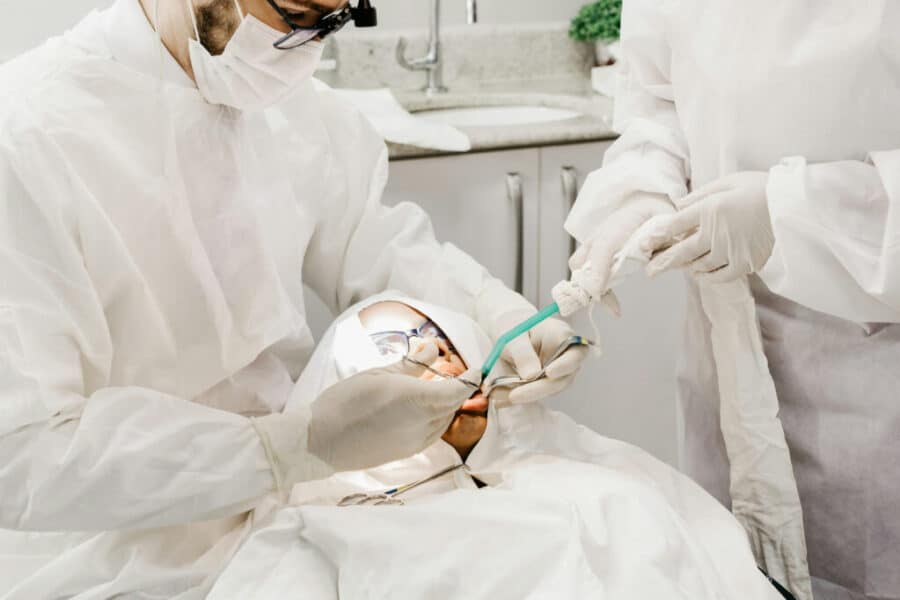
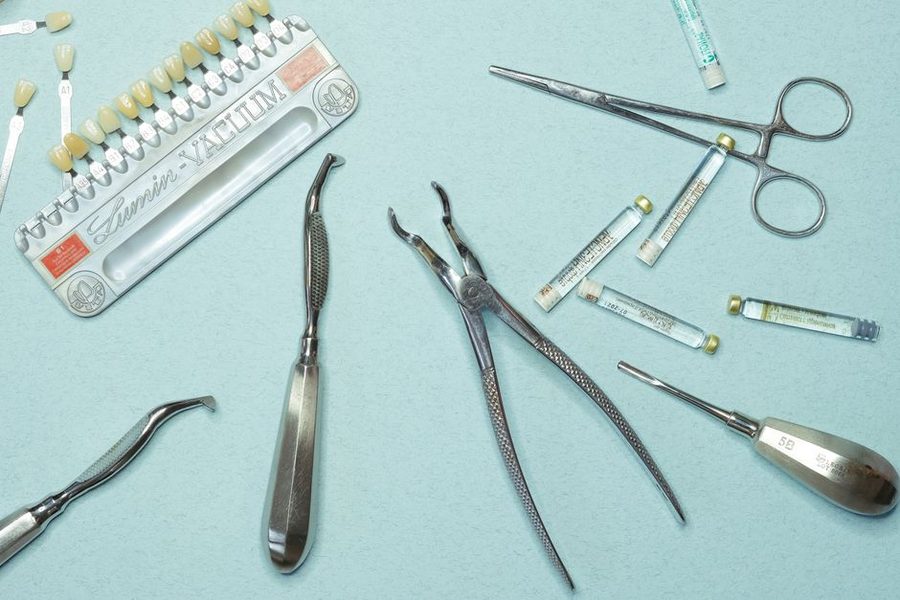
A dental emergency rarely waits for a convenient hour. It shows up on a Saturday morning before a family trip, late Sunday after a backyard game, or right in the middle of dinner when a cracked molar suddenly turns into sharp, throbbing pain. When that happens, people are not searching for perfect terminology or textbook explanations. They want relief, a clear plan, and a local office that can tell them whether they need to come in now or whether the issue can safely wait.
That is where an Emergency Dentist Bakersfield CA becomes important. Weekend dental problems tend to feel more stressful than weekday issues for a simple reason: regular schedules are off, many offices are closed, and people often do not know whether they should call a dentist, head to urgent care, or go straight to the emergency room. Good emergency dental care is not just about fixing a tooth. It is also about sorting out urgency, reducing pain, protecting the tooth if possible, and preventing a manageable problem from becoming a far more expensive one by Monday.
In practice, weekend emergencies usually fall into two categories. The first is severe pain or infection, where the main goal is fast diagnosis and immediate relief. The second is sudden trauma, such as a broken tooth, dislodged crown, sports injury, or swelling after biting down on something hard. Both can be serious, but the best response depends on the exact symptom pattern.
Why weekends make dental problems feel worse
The pain itself is only part of the story. By the time many people start looking for help, they have already tried to push through the discomfort. They may have taken over the counter pain relievers, rinsed with warm salt water, or avoided chewing on one side. Then the pain wakes them up at night, the swelling gets worse, or the loose tooth starts moving more than it did a few hours earlier.
Weekend emergencies also carry a practical burden. Parents are juggling activities. Adults may be traveling, hosting guests, or working irregular shifts. Bakersfield families often spend weekends outdoors, at sporting events, or on the road, and that changes the kinds of injuries dentists see. A chipped front tooth from a baseball collision looks very different from a lower molar that cracked while chewing ice or hard candy, but both create urgency for different reasons.
There is also a common mistake people make when they are unsure what to do: they wait for the symptom to become unbearable. That delay can turn a straightforward repair into a root canal, an extraction, or a larger infection issue. A crown that comes off on Saturday may be re-cemented or temporarily protected if handled quickly. The same tooth can fracture deeper by Sunday night if the patient keeps chewing on it.
What actually counts as a dental emergency
Not every dental problem needs same-day care, but many deserve prompt attention. The challenge is that pain intensity does not always match the seriousness of the issue. A small exposed area of dentin can hurt intensely with cold air, while a major infection may begin with pressure and mild swelling before rapidly escalating.
These are the situations that usually justify urgent weekend evaluation:
- severe toothache that does not respond to basic home measures
- facial or gum swelling, especially if it is increasing
- a knocked-out, loosened, or broken tooth after trauma
- uncontrolled bleeding in the mouth
- a lost filling, crown, or bridge when the tooth underneath is painful or exposed
Each of those situations has a different treatment path. Severe pain may point to a deep cavity, inflamed nerve, cracked tooth, abscess, or impacted food causing gum irritation. Swelling raises concern for infection, which can spread and should never be brushed off. Trauma cases are especially time-sensitive because tooth survival often depends on how quickly the area is stabilized.
On the other hand, a minor chip with no pain, mild sensitivity that comes and goes, or a rough edge that is annoying but not dangerous may be able to wait until regular office hours. The key word is may. If there is any uncertainty, it is worth calling an emergency dental office rather than guessing.
The difference between urgent dental care and the emergency room
People often assume the emergency room is the safest first stop for any intense oral pain. Sometimes it is, especially if there is significant facial swelling, trouble breathing, fever, signs of spreading infection, or major trauma involving the jaw or face. But for many tooth-related problems, the ER can only do part of the job.
Hospitals are essential for medical emergencies, but they usually do not perform definitive dental treatment such as root canal therapy, crown repair, or extraction for routine tooth causes. They may help with pain control, rule out broader health risks, and prescribe medication when indicated. The underlying dental source still needs a dentist.
An experienced weekend emergency dentist can often address the cause directly. That may mean draining localized infection, smoothing a fractured edge, recementing a restoration, placing a temporary protective filling, beginning endodontic treatment, or removing a tooth that cannot be saved. The value is not just convenience. It is getting treatment that actually changes the course of the problem.
What to do in the first 30 minutes
Those first minutes matter more than most people realize. Panic leads to mistakes, especially after an injury. I have seen patients scrub a knocked-out tooth with soap, wrap it in tissue, or let a broken crown sit on a bathroom counter until it dries out. Good intentions, wrong method.
If you are dealing with a weekend dental emergency, focus on preserving the area and controlling irritation until you can be seen.
- rinse gently with warm water to clear blood or debris
- apply a cold compress on the outside of the face for swelling
- keep any broken tooth piece, crown, or restoration if you can find it
- avoid chewing on the injured side
- call an emergency dental office and describe the symptoms clearly
A knocked-out permanent tooth deserves special mention. Handle it by the crown, not the root. If it is dirty, rinse it gently with water, but do not scrub it. In some cases it can be placed back into the socket if done carefully and quickly, though many people are understandably nervous about trying that. If not, keeping it moist in milk or a tooth preservation solution is generally better than letting it dry out. Time matters here, and the window for the best outcome is short.
For uncontrolled bleeding, firm pressure with clean gauze can help. For pain, many patients use over the counter medication if they can safely take it, though it is always wise to follow labeled directions and consider personal medical conditions. Aspirin should not be placed directly on the gum or tooth. People still try this home remedy, and it can cause a chemical burn to the tissue.
A toothache on Saturday is not always “just a cavity”
When patients say they have a bad toothache, they often imagine one simple cause. In reality, tooth pain can come from several very different problems, and the treatment depends on the source.
A cavity that has reached the inner pulp often creates lingering pain with heat, cold, or pressure. A cracked tooth can produce sharp pain when biting down and releasing. Grinding and clenching may inflame the ligament around a tooth, causing soreness that mimics infection. An abscess can create throbbing pain, swelling, bad taste, and tenderness to touch. Sometimes sinus pressure creates upper tooth pain that feels dental but is not originating in the tooth at all.
That is why a proper exam matters. Weekend emergency care is not simply handing out pain medication. It is sorting through a differential diagnosis quickly enough to protect the tooth when possible. A dentist may use percussion testing, cold testing, X-rays, and visual examination to decide whether the best immediate step is pulpal treatment, drainage, smoothing and sealing a fracture, placing a temporary restoration, or recommending extraction.
One practical point many people appreciate hearing is this: the weekend appointment may solve the issue completely, or it may stabilize the problem and set up a follow-up visit for definitive care. Both are valid outcomes. If an inflamed nerve needs a root canal and the office can begin treatment that day, excellent. If the priority is getting the patient out of acute pain and placing a secure temporary measure until a longer restorative visit, that can still be the right clinical call.
Swelling changes the picture
Pain is miserable, but swelling is what often shifts a dental problem into a more urgent category. Gum swelling next to one tooth can indicate a localized infection, trapped food, or an abscess draining through the tissue. Facial swelling, especially when it extends into the cheek, jawline, or under the eye, deserves prompt attention.
Dentists take swelling seriously because oral infections can spread through facial spaces. Not every swollen gum is dangerous, but the risk is high enough that waiting casually is a mistake. If swelling is paired with fever, difficulty swallowing, difficulty breathing, or a sense that the swelling is progressing rapidly, emergency medical evaluation is the safer route.
For more localized cases, an Emergency Dentist Bakersfield CA may be the best first call. The goal is to identify the source quickly and intervene before the infection becomes harder to manage. That might include draining the area, opening the tooth, adjusting the bite if trauma is worsening inflammation, or prescribing medication when clinically appropriate. Antibiotics have a role in certain infections, but they are not a substitute for treating the source.
Broken teeth, lost crowns, and weekend eating habits
Some weekend emergencies are almost predictable. Hard foods, sticky candies, ice chewing, and old dental work that finally gives out tend to create the same set of calls. A patient bites down, hears a crack, and feels either instant pain or a strange hollow sensation where a crown used to be.
A broken tooth can range from cosmetic to serious. A small enamel chip on the edge of a front tooth may mostly be a comfort and appearance issue. A fracture that exposes deeper layers can be exquisitely sensitive and far more vulnerable to bacterial contamination. If the tooth splits vertically or breaks below the gumline, the prognosis becomes more complicated.
Lost crowns sit in a similar gray zone. If the crown falls off but the tooth underneath is intact and not painful, the office may advise keeping the area clean, avoiding sticky foods, and coming in soon. If the exposed tooth is sharp, decayed, weak, or painful, then urgent care is more appropriate. Temporary over the counter dental cement can sometimes help hold a crown short term, but only when used carefully and only after speaking with a dental office. Household glue should never be used.
One of the more frustrating patterns dentists see is the patient who had warning signs for weeks. The tooth was sensitive. The filling felt loose. The crown had a faint odor or movement. Then it failed on a weekend. Prevention is ideal, but once the restoration gives out, the focus shifts to preserving as much natural structure as possible.
Dental injuries in children need a different kind of judgment
Parents understandably panic when a child chips or loosens a tooth. The first question is usually whether it is a baby tooth or a permanent tooth, because management differs.
A knocked-out baby tooth is not handled the same way as a knocked-out permanent tooth. Reimplanting a baby tooth is generally not recommended because of the risk to the developing permanent tooth underneath. A permanent tooth, by contrast, may sometimes be saved if managed quickly. This distinction matters, and it is one reason a phone consultation with an emergency dentist is so valuable.
Children also have a harder time describing symptoms accurately. “My tooth hurts” may mean lip injury, jaw soreness, a bitten tongue, or a cracked incisor. Weekend trauma visits often involve sorting out what the child can tolerate, whether radiographs are needed immediately, and whether the injury affects the nerve, root, or surrounding bone.
Parents should also pay attention to behavior after the incident. Refusal to eat, persistent crying when the area is touched, visible displacement, or bleeding that restarts repeatedly all suggest the child should be seen sooner rather than later.
What happens during an emergency dental visit
A good emergency visit is focused and efficient. The first task is not cosmetic perfection. It is to diagnose, relieve pain, and prevent the situation from worsening. Patients sometimes worry that showing up on a weekend means they will automatically face a rushed or limited appointment. In a well-run emergency setting, the opposite is true. The scope is specific.
The visit usually begins with a brief symptom history, how long the pain has been present, what triggered it, what makes it worse, whether there has been swelling, fever, trauma, or trouble sleeping. From there, the dentist examines the area, often takes a targeted X-ray, and discusses the likely cause.
Treatment may involve numbing the area, draining a localized abscess, placing a temporary filling, smoothing a fractured tooth, bonding a chipped https://traviskjcc208.bearsfanteamshop.com/how-to-respond-to-a-dental-emergency-in-bakersfield-ca-the-right-way edge, recementing a crown, prescribing medication when appropriate, or extracting a tooth that cannot be predictably restored. In some cases, the office may start the first stage of root canal therapy and schedule completion later.
What patients often remember most is not the technical step. It is the relief of finally knowing what is wrong and what comes next. Uncertainty amplifies pain. A clear plan usually lowers anxiety right away.
Cost concerns are real, but delaying often costs more
Many people hesitate to call because they are worried about price. That concern is understandable. Emergency care can be difficult to budget for, especially on a weekend. But postponing treatment often raises the eventual cost, both financially and biologically.
A small fracture may be repaired with a modest restoration when caught early. Wait until the crack deepens into the nerve, and the same tooth may require root canal treatment and a crown. Ignore an infected tooth long enough, and a saveable tooth may end up needing extraction and later replacement.
Costs vary depending on what is needed, whether X-rays are required, whether treatment is palliative or definitive, and whether the office accepts your dental plan. The best approach is to ask specific questions when you call. Will there be an emergency exam fee? Is imaging usually part of the visit? Can treatment be done the same day if needed? Are payment arrangements available? Clear answers help people make decisions quickly when time matters.
How to choose the right emergency dental office in Bakersfield
Not every office that mentions emergency care handles the same range of problems. Some can evaluate and stabilize but refer out for certain procedures. Others are equipped to perform a wider set of treatments on short notice. That difference matters when someone is in real pain on a Sunday.
What you want is straightforward: an office that answers promptly, asks the right triage questions, explains whether your symptoms sound urgent, and can tell you what to do before arrival. Good emergency dental teams are calm, direct, and practical. They do not overpromise, but they also do not leave patients guessing.
Bakersfield patients should listen for competence in the first phone call. Did the office ask about swelling, fever, trauma, bleeding, and whether the tooth is permanent or primary in a child? Did they explain whether eating or drinking should be avoided before treatment? Did they advise what to bring, such as a broken crown or medication list? These details are often a sign of experience rather than script reading.
Aftercare matters as much as the appointment
Weekend emergency treatment is often the turning point, not the entire story. A numbed and drained abscess still needs follow-up. A temporary restoration still needs definitive repair. A reimplanted or stabilized tooth may need monitoring for pulp health, root resorption, or later complications.
Patients do best when they follow instructions closely over the next few days. That usually means chewing carefully, keeping the area clean, taking prescribed medication exactly as directed, and returning for the recommended next visit. If swelling increases, pain suddenly spikes, or a temporary repair fails, the office should be contacted again rather than ignored.
This is especially important with teeth that feel better right after emergency treatment. Relief can create a false sense that the problem is finished. Sometimes it is, but often the pain has been controlled while the long-term restoration plan is still pending. Skipping that final step is one of the most common reasons people land back in the emergency chair later.
When acting fast can save a tooth
There is a narrow window in some dental emergencies where fast action makes the difference between keeping and losing the tooth. Trauma is the clearest example, but severe infection and deep fractures can also fall into this category. Patients do not need to diagnose the problem perfectly. They do need to respect the timeline.
A weekend emergency does not have to become a permanent setback. The most important move is recognizing that dental pain and swelling are not inconveniences to simply outlast. They are clinical signs. Sometimes they point to a problem that can wait a day or two, but often they point to one that is far easier to treat when handled early.
For anyone searching for an Emergency Dentist Bakersfield CA, the goal is not just to find the nearest open chair. It is to find prompt, practical care from a team that can judge urgency, relieve pain, and protect your oral health when regular schedules are off. When a tooth cracks on Saturday night or swelling starts on Sunday morning, that kind of access matters more than most people realize, at least until they are the one holding a cold pack against their face, hoping Monday comes quickly.
Smyle Dental Bakersfield
2016 E St, Bakersfield, CA 93301, United States
+16614939040
FAQ About Emergency Dentist Bakersfield CA
What counts as a dental emergency?
Severe tooth pain, facial swelling, uncontrolled bleeding, a knocked-out or displaced tooth, and significant dental trauma may need prompt assessment. Trouble breathing or rapidly increasing swelling requires urgent medical help.
What should I do if a permanent tooth is knocked out?
Handle the tooth by the crown rather than the root, keep it moist, and contact a dentist immediately. Fast treatment can improve the chance of saving the tooth.
Can an emergency dentist treat severe tooth pain the same day?
Same-day care may be available depending on the cause and schedule. The dentist will examine the area, may take digital X-rays, and recommend treatment based on the diagnosis.
Should I go to the emergency room for dental swelling?
Seek urgent medical care for trouble breathing, difficulty swallowing, rapidly spreading facial swelling, or other severe symptoms. A dentist can assess the underlying dental cause and provide appropriate follow-up care.