Emergency Dentist Bakersfield CA for Broken, Chipped, or Cracked Teeth
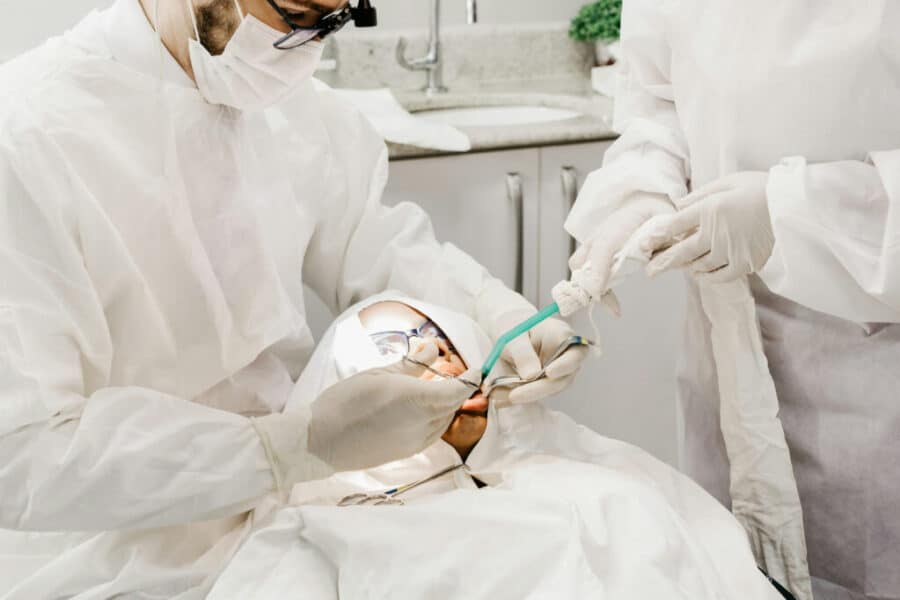
A damaged tooth changes the day immediately. One bite on an olive pit, a fall in the driveway, an elbow during a weekend basketball game, and suddenly a person who felt fine ten minutes ago is holding a hand to their mouth and wondering whether this can wait until Monday. Sometimes it can. Often it should not.
When a tooth breaks, chips, or cracks, the real issue is not only appearance. The outer enamel may be the first thing you notice, but underneath are layers that can become vulnerable fast. Pain may come from exposed dentin, a damaged filling, a fractured cusp, or a crack extending toward the nerve. Even when discomfort seems minor at first, the tooth can worsen over the next several hours as temperature changes, chewing pressure, or swelling reveal the true extent of the damage.
That is where an Emergency Dentist Bakersfield CA becomes important. In a city where people commute, work outdoors, play sports year-round, and often juggle tight schedules, dental injuries do not arrive at convenient times. Fast evaluation can mean the difference between smoothing a rough edge and needing a root canal or extraction later. Timing matters more than many people realize.
Not every broken tooth looks serious, but many are
One of the hardest parts of dental trauma is that the visible damage does not always match the actual problem. A small chip on a front tooth may be cosmetic only. A back molar with a barely visible line may be carrying a deep crack that opens under pressure every time you chew. I have seen patients walk in worried about a jagged edge that turned out to be simple to repair, and others apologize for “making a big deal out of nothing” before imaging showed a fracture running below the gumline.
The location of the tooth changes the stakes. Front teeth matter because the damage is obvious and can affect speech, confidence, and lip comfort. Back teeth take heavy force with every meal, so even a modest fracture there can become painful quickly. A chipped molar can start as a nuisance and then turn into a sharp, food-trapping surface that irritates the tongue and gums and destabilizes the remaining tooth structure.
Bakersfield presents its own practical context. Dry heat can leave people mildly dehydrated, which makes the mouth feel more sensitive. Cold drinks, common after outdoor work or exercise, often trigger pain in a newly exposed tooth surface. Add in busy family routines and it is easy to postpone care for a day or two. Unfortunately, a cracked tooth does not stay static just because the calendar is inconvenient.
What counts as a dental emergency
A chipped tooth is not always an emergency in the middle of the night, but certain signs should move the situation into urgent territory. Severe pain is the obvious one. So is swelling, bleeding that does not stop, a broken tooth with visible yellow or pink inner structure, or a piece of tooth that came off and left the area tender to air. A crack that causes a sharp zing when biting down deserves prompt attention, especially if the pain releases when pressure comes off. That pattern often suggests a fracture in the cusp or body of the tooth.
A tooth can also be an emergency because of function, not just pain. If the break changed your bite and your teeth no longer meet correctly, there is a risk of further fracture. If a sharp edge is cutting your tongue or cheek, that can usually be stabilized https://dantemkio257.yousher.com/emergency-dentist-bakersfield-ca-for-relief-from-sharp-biting-pain quickly by a dentist. If part of a filling, crown, or veneer came off, what remains may be weak and susceptible to more damage.
People sometimes assume that no pain means no urgency. That is a mistake. Teeth can crack without immediate symptoms, especially if the nerve has not yet become inflamed. Once bacteria gain access or the fracture deepens, pain can arrive later and with much more intensity.
The difference between chipped, cracked, and broken
These words get used interchangeably, but from a treatment standpoint they can mean very different things.
A chip usually refers to a small piece of enamel that has come off, often at the edge of a front tooth or the outer surface of a cusp. Chips can be smooth or jagged. Some are mostly cosmetic. Others expose more sensitive inner tooth structure and become uncomfortable.
A crack is a line or split in the tooth. It may be invisible without magnification or special lighting. Cracks vary widely. Some stay within enamel. Others extend into dentin or toward the pulp, which is the nerve and blood supply inside the tooth. A cracked tooth often hurts on biting, with cold, or unpredictably.
A broken tooth is a broader term that may include a larger missing portion of the crown, a fractured cusp, a split tooth, or a failure around an old filling or crown. Back teeth with large fillings are common candidates for this kind of break because much of the natural structure is already compromised.
From the patient’s point of view, the naming matters less than the response. The tooth needs an exam, often X-rays, and sometimes bite testing to determine whether the damage is superficial or threatening the long-term survival of the tooth.
What to do in the first hour
The best first aid is simple, calm, and practical. The goal is to protect the tooth and reduce the chance of making things worse before you are seen.
- Rinse your mouth gently with lukewarm water to clear debris and check whether the area is still bleeding.
- If swelling is starting, use a cold compress on the outside of the face in short intervals.
- Save any broken piece if you can find it, placing it in a clean container. Sometimes it helps with evaluation, and occasionally it can be bonded back.
- Avoid chewing on that side, and skip very hot, very cold, sticky, or hard foods.
- Call an emergency dentist as soon as possible, especially if pain is strong, the tooth is loose, or the break is large.
A common question is whether to take pain medication before the appointment. In most cases, over-the-counter options may help, assuming the person can take them safely based on their medical history and package instructions. What people should not do is place aspirin directly on the gum or tooth. That old home remedy can irritate soft tissue and does nothing to fix the structural problem.
Dental wax, sugar-free gum, or a temporary dental material from a pharmacy can sometimes cover a sharp edge for a short period. That can make the ride to the office more comfortable. It is a stopgap, not a solution.
Why timing affects treatment options
When patients ask whether waiting a few days really matters, the honest answer is often yes. Teeth fail progressively. A crack that starts in one cusp can travel deeper with every bite. A fracture that exposes dentin allows bacteria, temperature, and pressure to irritate the pulp. Once the nerve becomes inflamed beyond recovery, the treatment shifts from a simpler restoration to root canal therapy, or in some cases extraction.
There is also the mechanical issue. A damaged tooth is weaker than it was before the incident. Many people continue using it because the pain comes and goes. Then they bite into toast, nuts, ice, or even soft bread at the wrong angle and lose a much larger piece. I have seen a tooth that likely could have been restored with a crown on Friday become unrestorable by Monday after “just one careful meal.”
For children and teenagers, quick evaluation is equally important. Young permanent teeth have different considerations than adult teeth, especially after trauma. The treatment may depend on root development, pulp status, and whether the tooth was also loosened. Adults should not assume the same advice applies across age groups.
What an emergency dentist may do
Treatment depends on the size, depth, location, and direction of the damage. There is no single fix for every broken, chipped, or cracked tooth.
A minor chip may only need smoothing or bonding with tooth-colored composite. This is common for front teeth where a clean cosmetic repair can restore the edge in one visit. If the chip is small and the bite is favorable, the repair can hold up well for years, though it may eventually need polishing or replacement.
A fractured cusp on a molar may require a filling, onlay, or crown. The choice depends on how much structure remains and whether the tooth can be predictably reinforced. A crown is often recommended when the break suggests the rest of the tooth is under strain.
If the crack or break reaches the pulp, root canal therapy may be needed to save the tooth before it is covered with a crown. Patients sometimes see this as a sign that the situation became dramatic. In reality, it is often the most appropriate way to keep a tooth that would otherwise become painfully infected or need removal.
In the worst cases, a tooth is split vertically or fractured below the gumline in a way that cannot be restored. Then extraction may be the safest option. It is never the preferred outcome if the tooth can be saved, but an honest emergency dentist will tell you when a tooth has crossed that line and will also discuss replacement paths such as implants, bridges, or partial dentures.
The exam is often more nuanced than patients expect
An emergency dental visit is not just a quick glance and a filling. A careful dentist usually combines several clues. The story matters. Was there trauma, grinding, a hard bite, a previous root canal, a large old filling, a crown that felt “off” for months, or intermittent pain with sweets? X-rays are useful, but they do not reveal every crack. Some fractures hide between angles or run in ways that are not visible on a standard image. That is why bite tests, percussion, cold testing, and magnified inspection can be just as important.
The bite itself deserves attention. A tooth that fractures often had stress concentrations before the break. Clenching, grinding, or a high contact on a restoration may have contributed. If the emergency repair is placed without addressing those forces, the same tooth can fracture again or the opposing tooth may start to suffer.
This is one area where experience really shows. The best emergency decisions are not made by treating only the obvious missing piece. They come from understanding why the tooth failed and how to reduce the chance of a repeat problem.
Pain patterns that tell a story
Dental pain is not random. Patients often describe it in ways that point toward specific diagnoses. A sharp pain when biting something hard can suggest a crack. Lingering throbbing after cold exposure may indicate pulp inflammation. A dull ache with swelling or a pimple on the gum raises concern for infection. Sensitivity only to sweets can happen when dentin is exposed or a margin has opened around an old restoration.
There is also the deceptive pattern where pain disappears. If a tooth hurt badly, then suddenly stops, that can mean the nerve has died. People sometimes take that as good news and delay care, only to develop infection days or weeks later.
An Emergency Dentist Bakersfield CA should not only address pain relief but also explain what the symptom pattern likely means and whether the tooth’s condition is reversible, monitorable, or unstable.
Broken teeth after old dental work
A large percentage of urgent dental visits involve teeth that already had treatment. Fillings age. Bonded margins wear. Crowns loosen. Root canal treated teeth can become brittle if they are not protected properly. When an old restoration fails, the patient often says the tooth “just broke for no reason.” Usually there was a reason, even if it stayed quiet for years.
Back molars with large silver or composite fillings are frequent culprits. Over time, repeated chewing forces flex the remaining tooth walls. A cusp can shear off during a completely ordinary meal. If the break stays above the gumline and the tooth tests healthy, restoration is often straightforward. If decay has crept underneath or the crack travels deeper, the treatment becomes more involved.
This is why emergency care and long-term planning should connect. The immediate goal is to stop pain and protect the tooth. The next goal is to choose the restoration that gives it the best future, not just the quickest patch.
Situations that can wait a day, and situations that should not
Judgment matters here. A tiny chip with no pain, no sharpness, and no bite change may be safe to schedule during regular business hours. It still deserves attention, especially for front teeth, but it may not require same-night intervention.
A cracked tooth with pain on chewing is different. So is a broken tooth with visible inner layers, a missing large filling that leaves a hollow area, or anything accompanied by swelling. Facial swelling, fever, difficulty swallowing, or trouble opening the mouth are more serious signs and need urgent professional evaluation. Those symptoms move beyond a simple chip and into possible infection or spreading inflammation.
Children who injured a front tooth, even if it looks only slightly chipped, should also be seen promptly because the tooth may have been displaced or the nerve affected in ways that are not obvious at home.
How Bakersfield patients can protect a vulnerable tooth before the appointment
The hours between the injury and the exam matter more than people think. If you can keep pressure off the tooth, the prognosis often improves. Soft foods help. So does chewing on the opposite side. Avoid testing the tooth repeatedly with your tongue or biting “just to see if it still hurts.” That habit sounds harmless, but repeated pressure can turn a hairline fracture into a larger split.
Temperature sensitivity is common in Bakersfield, where cold drinks are a daily habit for much of the year. It is worth choosing room-temperature water for the rest of the day if the tooth reacts strongly. If the sharp edge is cutting the cheek, temporary coverage with dental wax can make a big difference. If the area bleeds after trauma, clean gauze with gentle pressure is usually more helpful than constant rinsing.
What recovery looks like after treatment
Patients often want to know whether life goes back to normal immediately. The answer depends on what was done. A bonded repair may feel normal the same day, though the tooth can remain mildly sensitive for a short time. A crown preparation often requires a temporary crown first, which means a brief period of caution with sticky foods. A root canal treated tooth may feel tender to biting for a few days because the surrounding ligament was inflamed, even if the nerve pain is gone.
Good emergency dentistry includes realistic guidance. If the tooth was cracked, the dentist may advise a follow-up even after symptoms improve, because some cracks reveal their full behavior only over time. If a patient grinds at night, a night guard may be part of preventing another fracture. If the tooth broke because of untreated decay, the surrounding teeth may need a closer look as well.
Choosing the right emergency dentist when time is short
In urgent situations, people understandably focus on the first available appointment. Availability matters, but so do judgment and communication. Broken and cracked teeth can be deceptively complex. You want a dentist who will explain whether the goal is a definitive repair that day or temporary stabilization followed by full treatment, and why.
These questions are worth asking when you call:
- Do you see same-day dental emergencies for broken, chipped, or cracked teeth?
- Can you provide X-rays and a full evaluation during the emergency visit?
- If the tooth needs more than a simple filling, what temporary and permanent options do you offer?
- Will you explain whether the tooth is likely savable, uncertain, or a poor candidate for restoration?
- What should I do before I arrive to protect the tooth and manage discomfort?
That conversation often tells you a lot. A well-run office can usually guide you through immediate home care, fit you into the schedule appropriately, and set expectations without making promises before the exam.
The practical bottom line
A damaged tooth rarely improves on its own. It may become less noticeable for a few hours, but cracks deepen, exposed surfaces become irritated, and weakened cusps break further under ordinary use. The earlier a dentist sees the tooth, the more options tend to remain on the table.
For anyone searching for an Emergency Dentist Bakersfield CA, the smartest move after a broken, chipped, or cracked tooth is prompt evaluation, even if the damage seems modest. Early care can preserve tooth structure, reduce pain, prevent infection, and often lower the complexity and cost of treatment. That is the difference between a stressful interruption and a problem that follows you for months.
Smyle Dental Bakersfield
2016 E St, Bakersfield, CA 93301, United States
+16614939040
FAQ About Emergency Dentist Bakersfield CA
What counts as a dental emergency?
Severe tooth pain, facial swelling, uncontrolled bleeding, a knocked-out or displaced tooth, and significant dental trauma may need prompt assessment. Trouble breathing or rapidly increasing swelling requires urgent medical help.
What should I do if a permanent tooth is knocked out?
Handle the tooth by the crown rather than the root, keep it moist, and contact a dentist immediately. Fast treatment can improve the chance of saving the tooth.
Can an emergency dentist treat severe tooth pain the same day?
Same-day care may be available depending on the cause and schedule. The dentist will examine the area, may take digital X-rays, and recommend treatment based on the diagnosis.
Should I go to the emergency room for dental swelling?
Seek urgent medical care for trouble breathing, difficulty swallowing, rapidly spreading facial swelling, or other severe symptoms. A dentist can assess the underlying dental cause and provide appropriate follow-up care.